Makumo’s Hand-Printing Process
Makumo’s textiles are all unique and exciting, and here we’d like to introduce the process that brings their world to life on fabric.
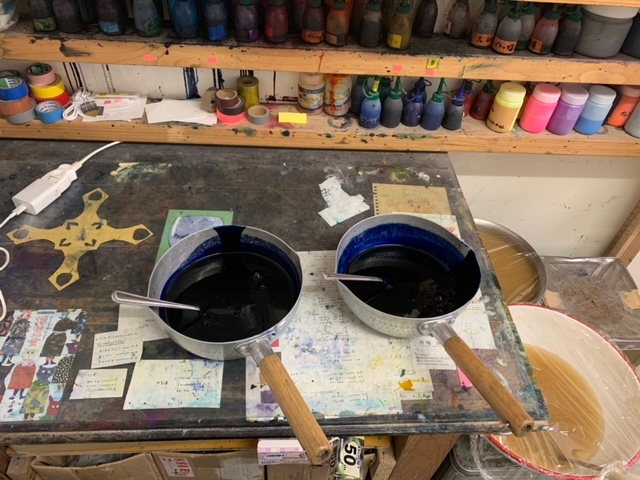

All of the printing and dyeing work is handled by Tomota, Makumo’s skilled craftsman.
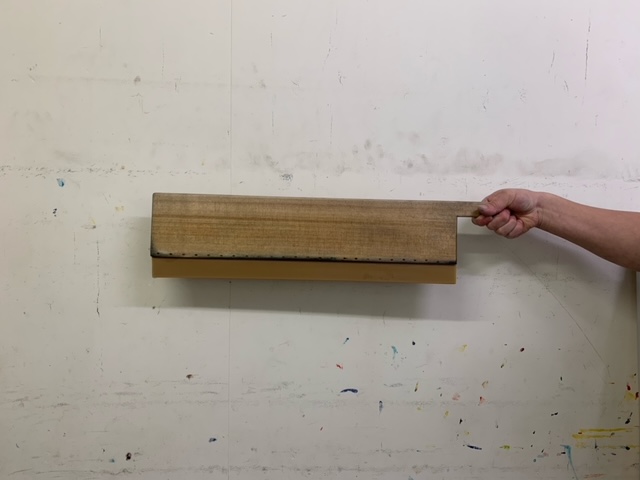
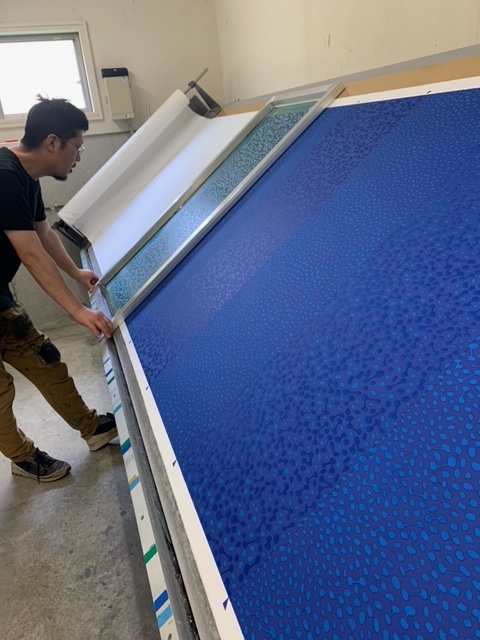
Tomota uses printing screens, specially mixed dyes, and a wooden squeegee.
For the Natto pattern, he works with three screens. The wooden squeegee is the tool used to apply the color.
The first screen is placed on the fabric, and the first color is applied. Next, he prepares the second screen for the second color.


Here, you can see the process of printing the second color
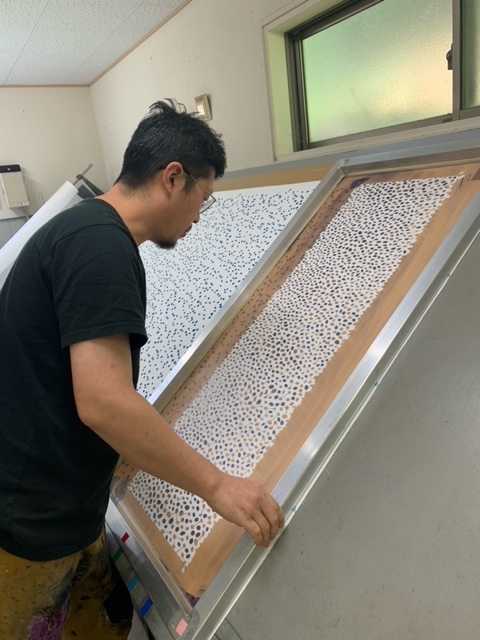
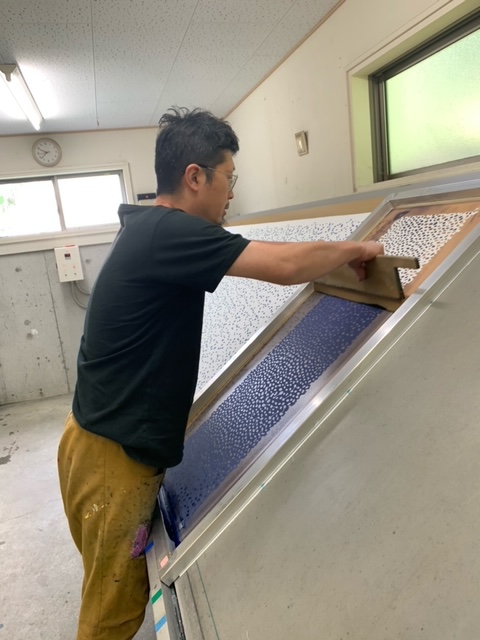
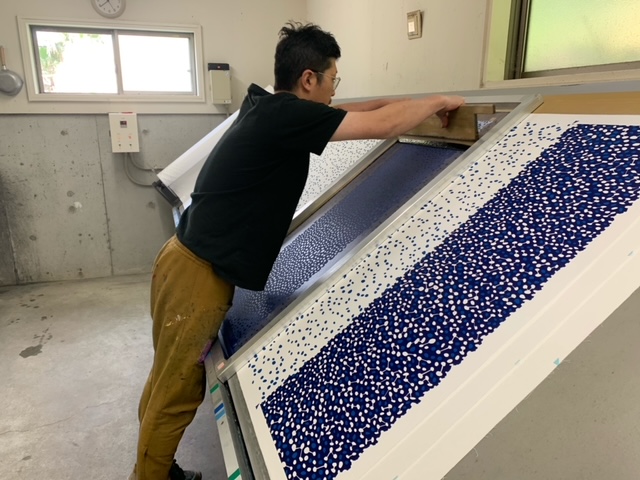

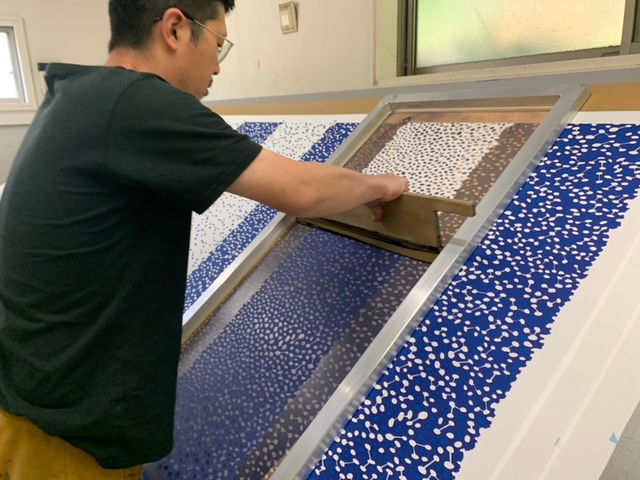
He doesn’t print adjacent areas right away because the wet dye can be affected by the frame of the screen, smudging the design.
Instead, he first prints on every other section—starting with the odd-numbered parts—and then returns to fill in the even-numbered sections.
Once the first pass dries, the second layer of color is applied to fill in the gaps.

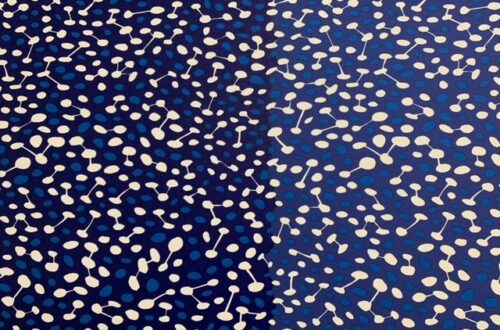
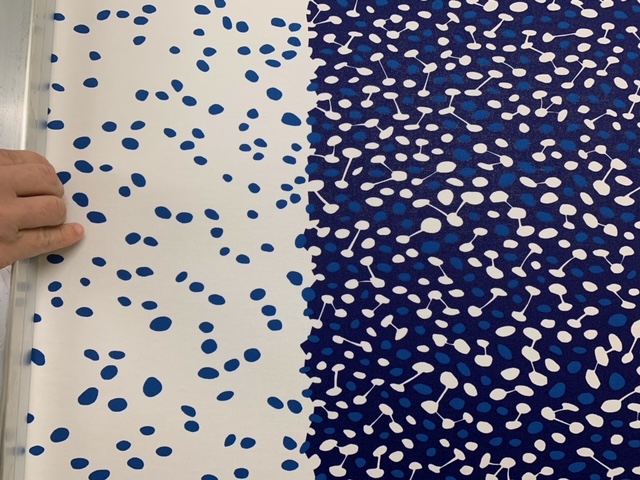
Left: fresh color Right: dry color


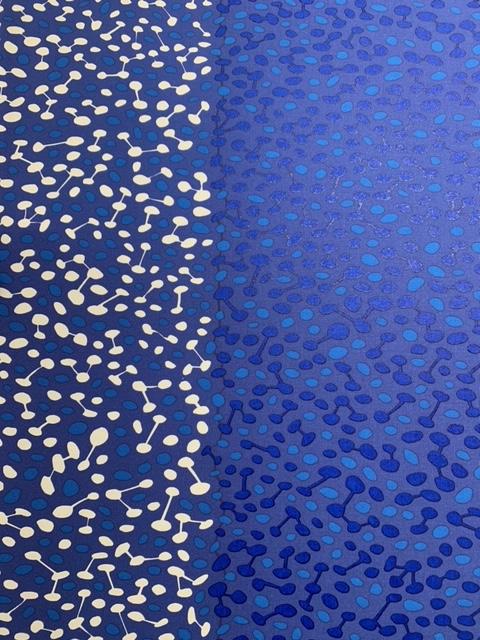

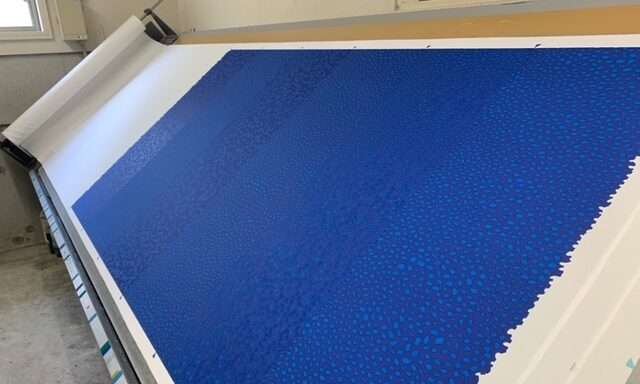
After all three colors have been printed, this is what the fabric looks like.
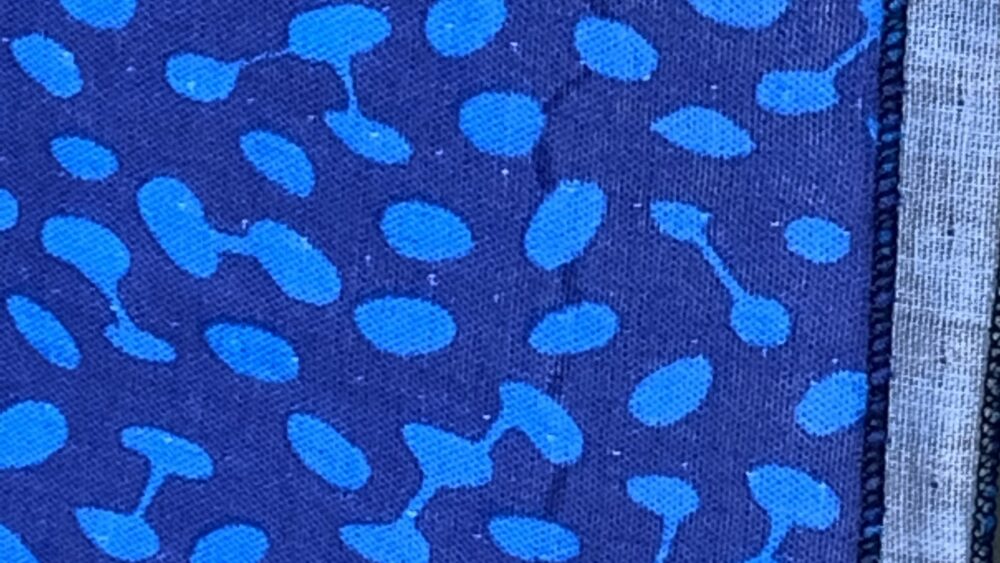
Makumo textiles may show what we call “overlap lines,” which occur because the fabric is printed in sections like this.

Next, Tomota fixes the colors.First, he ensures the fabric is completely dry,then steams it for about an hour. After steaming, the fabric is washed in hot water to remove the paste, boiled, and then washed again thoroughly before being dried.
This is how each piece of fabric is completed.
Through this careful, step-by-step hand-dyeing process, each piece of Makumo fabric develops its own unique character. And from this hand-printed fabric, one-of-a-kindMakumo products are created.
At our store, we are proud to offer these unique Makumo products, each one filled with character and care. We hope that many people will feel the joy and warmth of owning something truly special.